A beginner-friendly introduction to today’s digital marketing world, exploring key terms, essential tools, and how to gain the skills to get started in this dynamic industry.

Today’s Digital Marketing Landscape
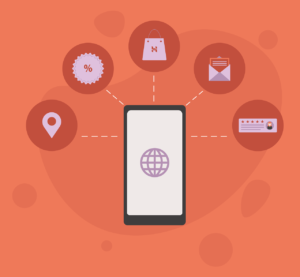
Digital marketing has transformed how organizations connect with their audiences, reshaping traditional advertising and consumer engagement models. At its core, digital marketing includes all marketing efforts that use electronic devices or the internet to reach consumers. These efforts span a wide range of channels and tactics, such as search engines, social media, email, websites, and mobile applications. In today’s hyper-connected world, digital marketing has become an essential tool for organizations of all sizes.
The impact of digital marketing is reflected in its rapid growth. According to Statista, global digital advertising spending is projected to reach approximately $740 billion in 2024, with the United States accounting for $298 billion of that total. Digital marketing provides organizations with the ability to reach global audiences, target specific demographics with precision, and measure campaign performance in real time. As consumers increasingly rely on digital platforms for information, entertainment, and shopping, organizations that effectively leverage digital marketing gain a clear competitive advantage.
This guide explores the core components of digital marketing and provides a foundational understanding of key strategies, tools, and technologies needed to succeed in this dynamic and evolving industry.
Understanding Core Components in Digital Marketing
Digital marketing focuses on connecting with the right audience at the right time—most often by engaging them online, where they already spend a significant portion of their time. Effective digital marketing uses a range of online technologies and strategies to attract potential customers, guide them through the buyer’s journey, and ultimately drive meaningful action.
A key part of this process involves identifying and nurturing leads—individuals who show interest in a product or service through actions such as filling out an online form, subscribing to a newsletter, or downloading digital content. These leads are then guided toward conversion, which occurs when they complete a desired action, such as making a purchase, scheduling a consultation, or becoming a client. To achieve this, digital marketers rely on several core components and tools, including:
1. Search Engine Marketing (SEM)
Search Engine Marketing (SEM) is a broad digital marketing strategy focused on increasing a website’s visibility on search engine results pages (SERPs). As a key component of digital marketing, SEM includes both organic methods, such as Search Engine Optimization (SEO), and paid tactics, such as Pay-Per-Click (PPC) advertising, to drive traffic and improve online presence.
An effective SEM strategy helps attract qualified visitors, boost conversion rates, and deliver faster returns on investment by increasing brand visibility at critical moments in the customer journey. Continuous performance tracking and data analysis play an essential role in optimizing SEM efforts, allowing marketers to refine strategies, improve targeting, and strengthen overall search visibility.
2. Search Engine Optimization (SEO)
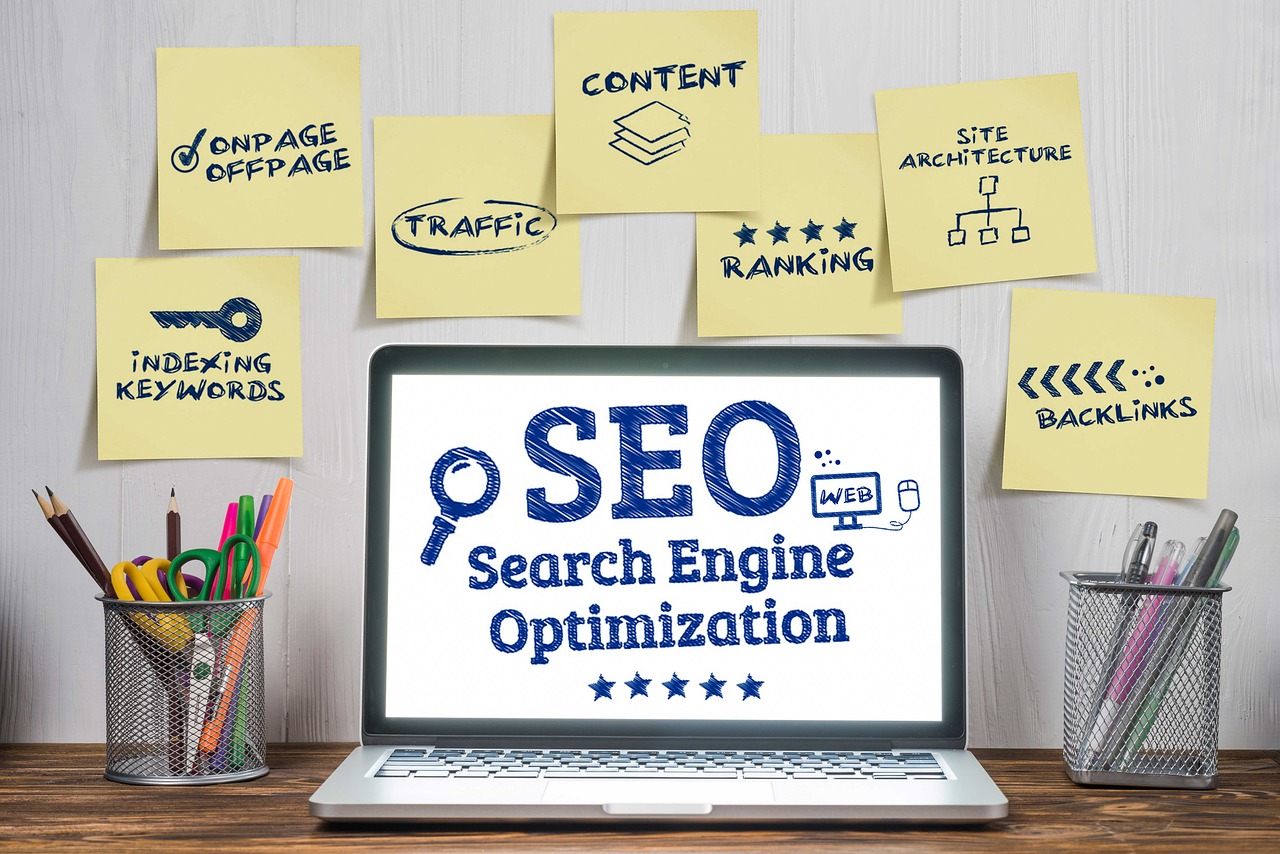
Search Engine Optimization (SEO) is a core component of SEM that focuses on improving a website’s unpaid (organic)visibility in search engine results. SEO involves optimizing website content and structure to align with search engine algorithms, with the goal of earning higher rankings on search engine results pages (SERPs) naturally.
Although search engine algorithms are not publicly disclosed, marketers can improve discoverability by following best practices such as using relevant keywords, creating clear and informative headings, earning high-quality backlinks, and ensuring content is accessible and user-friendly. SEO works alongside paid search strategies like PPC and plays a critical long-term role in building sustainable traffic, credibility, and a well-rounded search marketing approach.
3. Pay-per-click advertising (PPC)
PPC is the other half of SEM and focuses exclusively on paid search engine advertising, primarily Google Ads, but it can include others like Bing Ads. When utilizing PPC, advertisers bid on keywords to place ads at the top of SERPs and pay only when users click on their ads. UTM codes embedded within PPC URLs allow advertisers to track when users enter an organization’s website and from where. By tracking clicks and conversions using UTM codes, PPC advertising offers real-time visibility into targeted keyword performance and enables precise budget management and effective campaign optimization.
4. Social media marketing
Social Media Marketing (SMM) is a strategic approach that uses social media platforms to build brand awareness, foster relationships, and engage directly with consumers. Effective social media strategies focus on creating and sharing content tailored to specific audiences, maintaining consistent brand messaging, and actively interacting with followers through comments, messages, and community engagement.
In addition to organic content, SMM often incorporates paid advertising tactics, such as boosting posts or running targeted ad campaigns, to extend reach and improve visibility among desired audiences. According to DataReportal and Backlinko, popular social media platforms attract massive monthly user bases, including Facebook (3.07 billion users), Instagram (2 billion users), TikTok (1.6 billion users), LinkedIn (950 million users), and X (586 million users). Each platform offers unique opportunities for reaching different demographics and delivering content in formats best suited to audience preferences.
5. Content marketing
Content marketing focuses on creating and distributing valuable, relevant, and consistent content to attract and retain a clearly defined audience. This strategy includes a wide range of content formats, such as blog posts, emails, videos, infographics, podcasts, eBooks, and social media posts, all designed to educate, engage, or inform consumers while supporting broader marketing goals.
Effective content marketing begins with thoughtful planning. This includes identifying the target audience, establishing clear objectives, selecting appropriate content types and distribution channels, and developing a content calendar to ensure consistency. Creating detailed consumer personas helps guide decisions about what content to produce and how best to deliver it. Ongoing measurement of content performance and adjustments based on data-driven insights are essential to sustaining a strong and effective content marketing strategy.
6. Email Marketing
Email marketing is one of the earliest forms of digital marketing and remains one of the most cost-effective channels, delivering an average return on investment of $36 for every $1 spent. While its core purpose has remained the same, modern email marketing has evolved significantly, now leveraging consumer data and automation to deliver highly personalized messaging that nurtures leads throughout the customer journey.
Personalization has become a critical expectation among today’s consumers. According to McKinsey, 71% of consumers expect personalized interactions, and 76% report frustration when this expectation is not met. Well-designed email campaigns that use data-driven insights to tailor content and timing can generate up to 40% more revenue than those that do not. By keeping brand messaging top of mind and guiding prospects through the marketing funnel, email marketing plays a vital role in driving engagement, loyalty, and conversion.
Analyzing the Results
Analytics play a critical role in shaping effective digital marketing strategies. According to McKinsey, companies that leverage data-driven decision-making can see a 25% increase in revenue. By analyzing consumer behavior, campaign performance, and overall marketing effectiveness, marketers gain insights that allow them to optimize strategies and make informed adjustments that set successful campaigns apart.
A variety of analytics tools help marketers gather, process, and interpret data. Google Analytics 4 (GA4) has become the industry standard, with 86% of websites using it as their preferred analytics platform. GA4 provides advanced features such as cross-platform tracking, AI-powered insights, and enhanced data visualization, giving marketers a comprehensive understanding of the customer journey.
Other widely used tools include Adobe Analytics for enterprise-level insights, Mixpanel for product analytics, and Hotjar for user behavior analysis via heat maps and session recordings. Additionally, most social media platforms offer built-in analytics tools to measure engagement and content performance on their channels.
Effectively analyzing and acting on data has become a core competency for digital marketers. From refining ad targeting to improving website user experience, analytics enable precise, informed decisions. As the digital landscape evolves—with trends like the deprecation of third-party cookies and the rise of first-party data strategies—the importance of analytics in driving marketing success is only set to grow.
Future Trends in Digital Marketing Skills
Digital marketing is not only evolving—it is transforming at a rapid pace, creating new opportunities and demands for marketers. Emerging trends point to AI-powered personalization in email campaigns, the growing use of machine learning and large language models (LLMs) for strategic content creation, and the continued rise of video and interactive content to engage users more effectively.
At the same time, increasing privacy regulations are reshaping how data is collected and utilized, requiring marketers to adopt innovative approaches to understanding and reaching their audiences.
For professionals in the field, staying ahead means embracing continuous learning and skill development. The ability to adapt to new technologies, trends, and consumer behaviors is essential to thriving in this fast-paced, ever-changing digital landscape..
Stay Ahead of the Curve with Digital Marketing Training from Villanova
Villanova University’s College of Professional Studies offers a Digital Marketing Certificate designed to equip professionals with the tools, knowledge, and skills needed to succeed in today’s dynamic digital landscape. This 100% online program enables you to drive digital transformation, enhance your marketing effectiveness, gain a competitive edge, and boost your organization’s ROI.
The program is flexible, allowing you to tailor your education to your career goals. If you’re new to digital marketing, start with Digital Marketing Fundamentals. For experienced professionals aiming to advance their careers, Advanced Digital Marketing & Analytics offers in-depth strategies and insights. With courses suited to all skill levels, there’s something for everyone to learn and grow in this rapidly evolving field.
Schedule a call with an enrollment counselor to learn more about how Villanova’s Digital Marketing Certificate can help you excel in your career.